
Now that the weather is warming up in Western Massachusetts, outdoor projects may be moving back to the top of your list. If you're starting to notice peeling stain, fading color, or rough wood on your deck or fence, summer is a great time to take care of it. Addressing these problems early can help protect the wood and keep your outdoor spaces looking their best.
Restaining wood helps improve appearance while also protecting it from moisture, sunlight, and the changing seasons we experience here in New England. Long-lasting results start with understanding what the wood is telling you and making sure the surface is properly prepared before opening a can of stain.
Peeling Stain and the Simple Splash Test
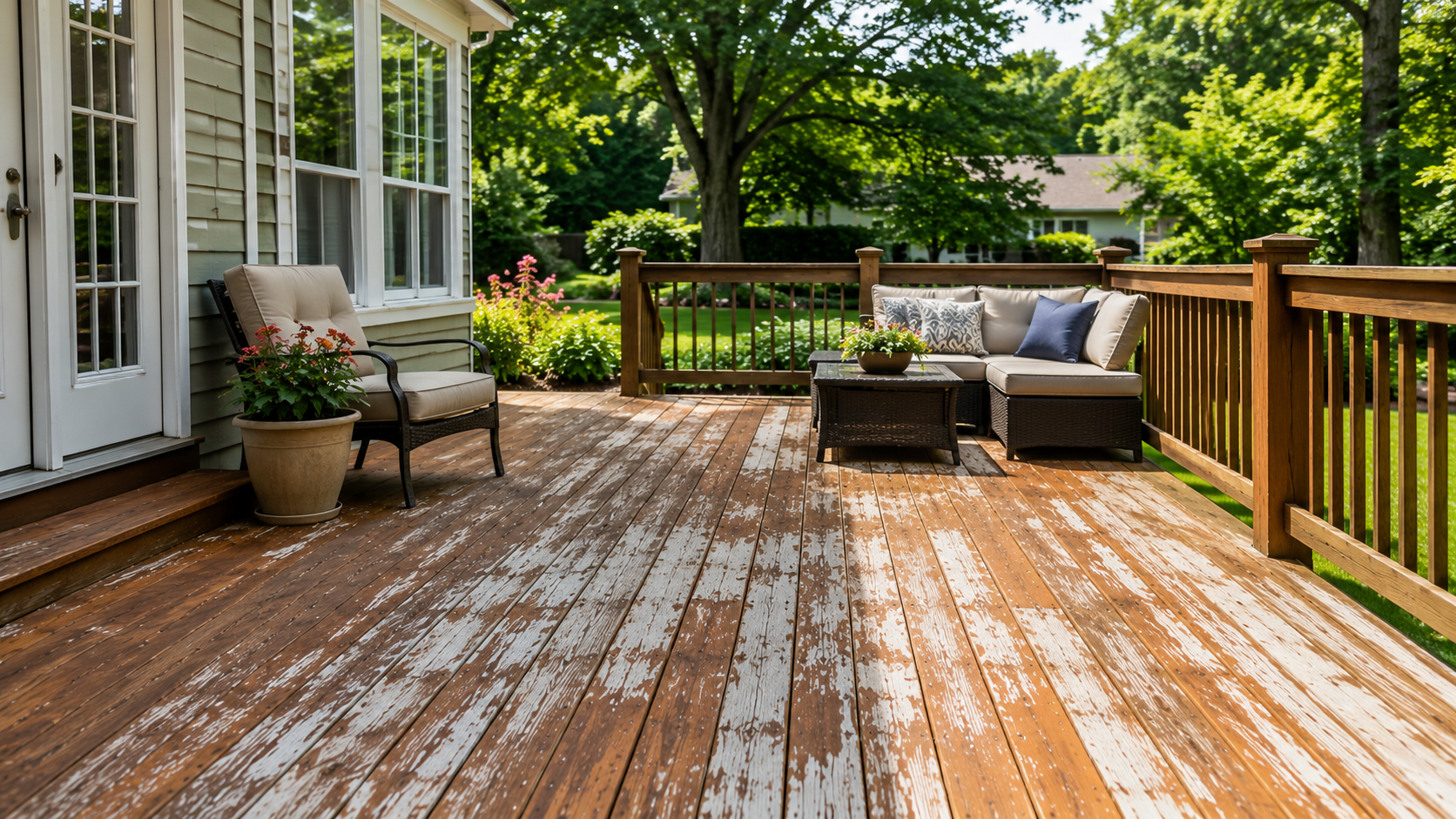
Peeling stain usually means the existing finish is wearing out and the wood underneath is becoming exposed. New England winters and rainy springs cause wood to expand and contract over time. Eventually, that movement weakens the bond between the stain and the surface. Once the finish starts coming off, sunlight and moisture can begin breaking down the wood. Left alone long enough, those areas may eventually develop rot.
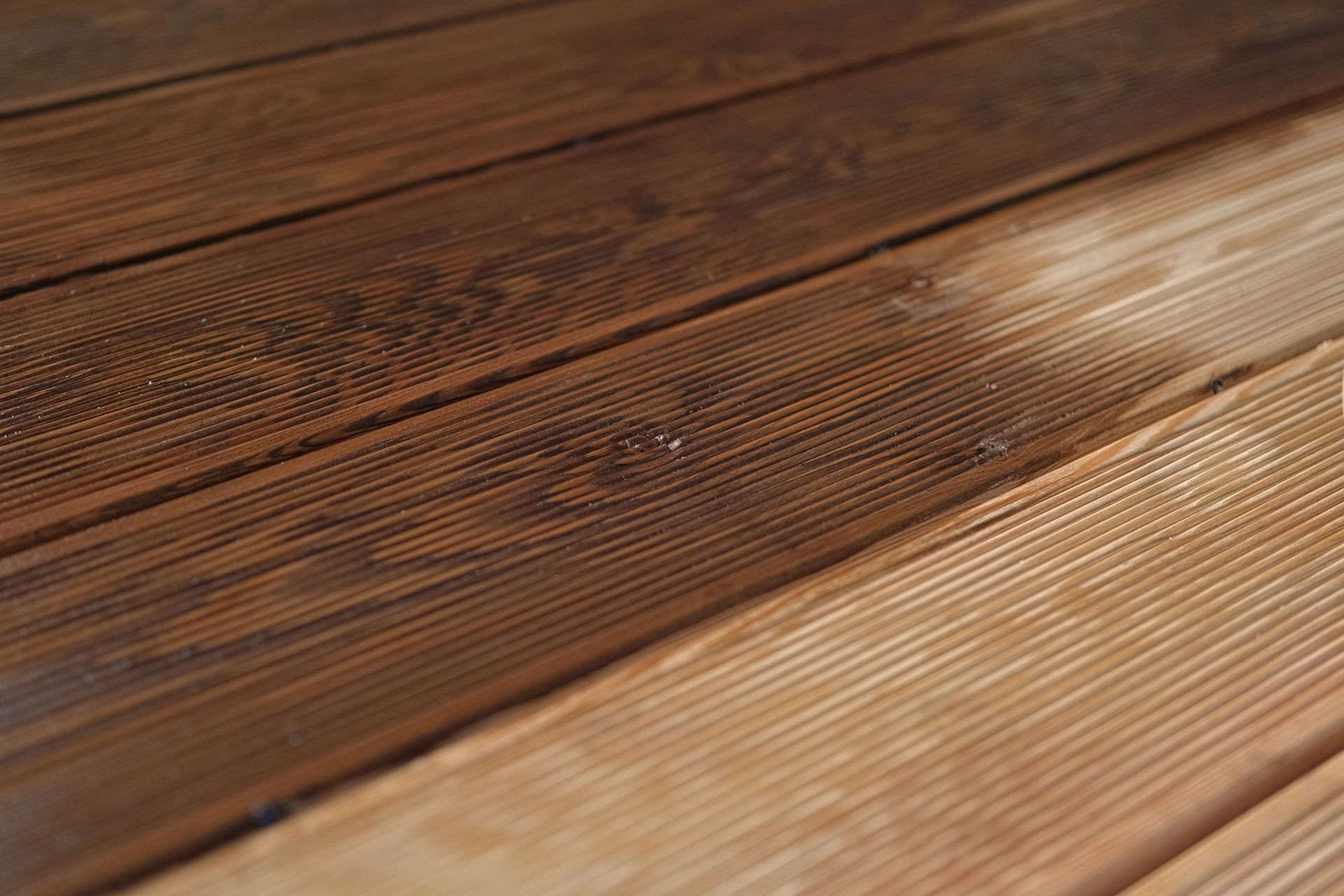
Homeowners throughout Westfield, East Longmeadow, Springfield, and Agawam commonly notice these problems once they start spending more time outdoors again. Before planning a complete refinishing project, try a simple splash test. Pour a little water onto the surface and see what happens. If the wood quickly absorbs the water, it's time to stain. If the water beads up and stays on the surface, the existing finish may still be providing protection and a complete strip may not be necessary.
Surface Preparation Makes the Difference
Good staining results begin long before the first brush touches the wood. Applying stain over dirt, mildew, loose coatings, or weathered boards usually leads to disappointment. Even if the surface looks good at first, poor preparation is one of the biggest reasons stain starts peeling again after a year or two. Spending extra time on preparation helps the wood absorb the stain evenly and improves how long the finish lasts.
Preparation is also a good opportunity to inspect the deck or fence itself. Loose boards, popped nails, damaged railings, and areas that stay wet longer than others are much easier to spot before the project begins. Fixing these issues early can improve the finished appearance and help protect the wood underneath.
- Tarp the Grounds: Cover patios, walkways, grass, and landscaping before starting. Stain drips can permanently discolor concrete, brick, and nearby surfaces.
- Wood Stripper vs. Cleaner: Peeling solid stains may require a stripper to remove old coatings. Wood cleaners and a stiff-bristle brush help remove dirt, mold, and weathered gray fibers.
- Sanding: After the wood has dried completely, use 80-grit sandpaper to open the pores and help the stain soak in evenly.
- Sweep the Gaps: Remove leaves, dirt, sawdust, and debris trapped between deck boards before opening the stain can. Clean gaps allow water to drain properly and help improve the final appearance.
Timing Matters More Than Most People Realize
Temperature gets a lot of attention, but moisture is just as important when planning a staining project. In most situations, wood should remain dry for at least 48 hours before stain is applied. After the project is finished, another 24 to 48 hours without rain gives the stain enough time to cure properly.
Weather conditions throughout the day also make a difference. Applying stain in the middle of a hot summer afternoon can cause the product to dry too quickly. Instead of soaking into the wood, the stain may remain closer to the surface and wear out sooner. Morning hours and mild temperatures usually make the process easier and help the stain absorb more evenly.
The way stain is applied can affect how evenly it absorbs and how long it lasts. Deck boards, fence sections, stairs, and railings all accept stain differently. Thin, even coats almost always perform better than one heavy application. Too much stain can leave puddles, drips, and uneven areas.
Maintaining a wet edge while working and back-brushing after spraying or rolling helps push the stain deeper into the wood and creates a more consistent finish.
Different Wood Surfaces Require Different Approaches
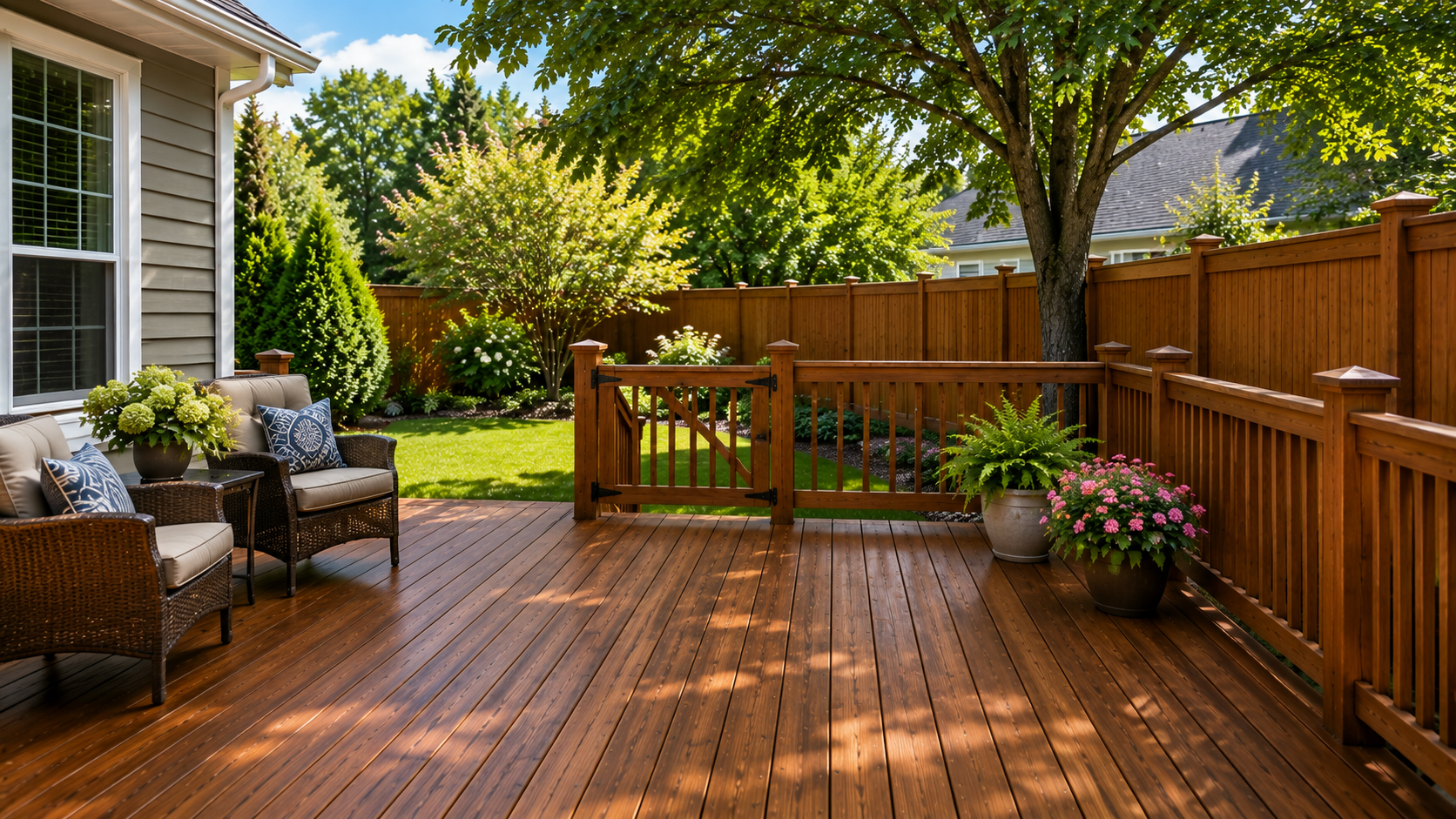
Not every outdoor surface ages the same way. Deck boards deal with regular foot traffic and are exposed to rain, snow, and direct sunlight. Fences may receive more shade, while stairs and railings can wear differently depending on how often they are used. Understanding these differences can help the stain perform better and last longer.
Horizontal surfaces generally show wear sooner because water sits on them longer. Vertical boards usually dry faster, but they may fade more quickly if they receive direct sun throughout the day. Areas around pools, landscaping, and heavily shaded sections can also hold moisture differently. These factors all play a role in how stain performs over time.
Many homeowners in Western Massachusetts are surprised to learn that different sections of the same deck can weather at different rates. Areas protected by umbrellas or awnings may still look great while sections exposed to full sun begin fading or peeling. Paying attention to these differences and taking care of small problems early can help preserve the appearance of the wood and avoid larger repairs later.
Why Summer Is a Good Time to Stain
Summer is one of the most popular times for homeowners in Western Massachusetts to tackle deck staining or any staining projects. Longer days and generally stable weather make it easier to clean, prepare, and stain decks and fences. Completing the work during the summer also gives the stain time to cure before cooler temperatures return in the fall.
Regular maintenance helps decks and fences stay in better condition and can help homeowners avoid larger repairs later on. Waiting until boards become badly weathered usually means more preparation and additional repairs. Addressing peeling stain early helps keep outdoor spaces looking good and helps extend the life of the wood.
Protecting Your Results After the Project Is Finished
Once the project is complete, a little maintenance can go a long way. Dirt, leaves, and standing water should not be allowed to sit on the surface for long periods. Regular sweeping and occasional cleaning can help reduce wear and prevent mold from forming.
Homeowners are sometimes surprised by how much damage trapped debris can cause. Leaves stuck between deck boards hold moisture and slow down drying after rain. Flower pots, furniture, and grills can also trap water underneath if they are not moved occasionally. Paying attention to these small details helps maintain the finish between staining projects.
It is also a good idea to inspect outdoor wood surfaces every spring and fall. Looking for loose boards, peeling areas, or spots where water no longer beads up can help catch problems before they spread. Small touch-ups are much easier and less expensive than waiting until large sections need to be stripped and refinished.
Local Wood Staining FAQ
Why does my deck peel faster in shaded yards?
Trees and nearby landscaping can trap moisture and keep wood damp longer than expected. Morning dew and limited sunlight create conditions that encourage mold and mildew, which can shorten the life of lower-quality finishes. Decks surrounded by heavy shade sometimes require maintenance sooner than areas exposed to full sun.
How long should I wait to stain after a summer thunderstorm?
Although the surface may appear dry after a day, moisture can remain trapped inside the wood. Waiting at least 48 hours after rain allows the wood to dry more thoroughly and helps improve stain absorption.
Should I choose transparent or solid stain for high-sun areas?
Transparent stains allow more of the wood grain to show through but provide limited UV protection. In areas with little shade, semi-transparent and solid stains offer additional protection from the sun and help preserve the wood over time.
Let Pioneer Painters Handle the Hard Work
Preparing and staining outdoor wood surfaces takes more time and effort than many homeowners expect. Cleaning, sanding, stripping old coatings, and choosing the right weather window can quickly turn into a project that takes up several weekends. Proper preparation and application help create a finish that looks better and holds up longer.
Pioneer Painters proudly provides professional deck staining and fence staining services throughout Westfield, Springfield, Agawam, East Longmeadow, and surrounding Western Massachusetts communities. Our experienced team delivers the kind of results homeowners expect from professional painters. Contact us today for a free estimate and let us help bring new life to your outdoor wood surfaces.
Recent Blogs